
Kidney disease often disrupts the body’s delicate balance of electrolytes like sodium, potassium, calcium, and phosphorus. These minerals are essential for nerve function, muscle contraction, and maintaining fluid balance. An imbalance may lead to fatigue, heart problems, or muscle weakness, making nutrition an important part of kidney care.
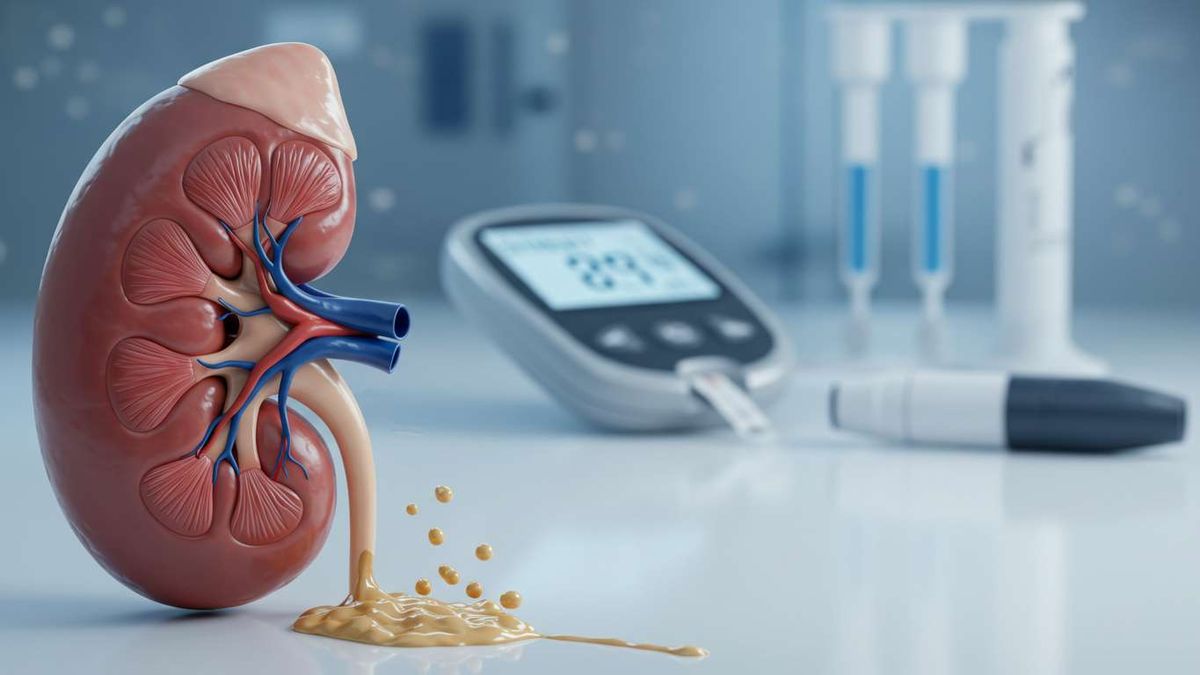
Why Electrolyte Balance Matters in Kidney Disease
Healthy kidneys filter out excess electrolytes and toxins. When kidneys are impaired, electrolytes accumulate in the blood, causing complications. For instance:
- Sodium: Too much sodium raises blood pressure and worsens swelling.
- Potassium: High levels can cause dangerous heart rhythm changes.
- Phosphorus: Excess may weaken bones and increase cardiovascular risks.
- Calcium: Low calcium levels may develop when phosphorus rises.
Nutrition Strategies for Managing Electrolytes
- Limit Sodium Intake
- Avoid packaged foods, pickles, and salty snacks.
- Opt for fresh herbs, lemon juice, or spices instead of table salt.
- Control Potassium
- Limit high-potassium foods like bananas, oranges, tomatoes, and potatoes.
- Choose apples, grapes, cauliflower, and white bread as lower-potassium alternatives.
- Manage Phosphorus
- Restrict processed meats, soft drinks, and dairy.
- Include rice milk (non-fortified), certain vegetables, and refined grains in moderation.
- Ensure Adequate Calcium
- Discuss calcium supplements with your healthcare provider.
- Some fortified foods may be suitable under medical supervision.
- Hydration Balance
- Fluid intake should be tailored as per your nephrologist’s advice, since excess water may worsen swelling and hypertension.
Role of a Clinical Nutritionist
A kidney patient’s diet must be individualized. Consulting a renal dietitian ensures the right balance of electrolytes without compromising overall nutrition.
Related Readings
- Renal Diet vs. Renal Medical Nutrition: Understanding the Difference
- Learn more about CKD Nutrition from the National Kidney Foundation
Conclusion
Managing electrolyte imbalance through nutrition can significantly improve the quality of life for people with kidney disease. With careful dietary choices and professional guidance, patients can reduce complications and maintain better health outcomes.
