
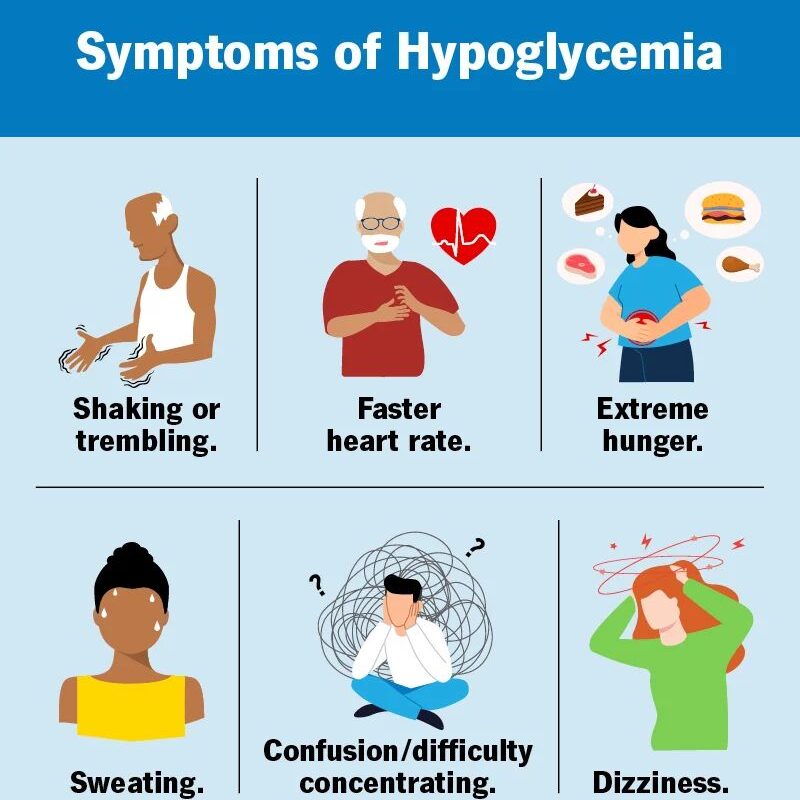
Stress is a natural response of the body, but when it becomes chronic, it can disturb various physiological processes, including blood sugar regulation. Stress-induced hyperglycemia—elevated blood glucose levels caused by stress—is a growing concern among individuals with diabetes and even those without prior history. Nutrition plays a pivotal role in managing and minimizing these fluctuations.
How Stress Affects Blood Sugar
When the body experiences stress, it releases hormones such as cortisol and adrenaline. These hormones signal the liver to release stored glucose into the bloodstream, preparing the body for a “fight or flight” response. While helpful in emergencies, prolonged stress keeps blood sugar elevated, leading to hyperglycemia.
Nutritional Strategies to Manage Stress-Induced Hyperglycemia
1. Focus on Low Glycemic Index (GI) Foods
Choosing whole grains, legumes, and non-starchy vegetables helps keep blood sugar stable. Low-GI foods release glucose gradually, reducing sudden spikes.
👉 For patients with diabetes, specialized nutrition solutions such as Revito Diabatec are designed to support blood sugar control while providing essential nutrients.
2. Balance Macronutrients in Every Meal
A plate balanced with proteins, healthy fats, and complex carbohydrates supports steady energy release and improves satiety. Examples: brown rice with lentils, grilled fish with quinoa, or chickpeas with olive oil dressing.
👉 Products like Revito Plus HPHC can provide high-protein, balanced nutrition to maintain energy levels and support muscle health during stressful times.
3. Increase Intake of Magnesium & B-Vitamins
Magnesium-rich foods like spinach, almonds, and pumpkin seeds help regulate blood sugar. B-vitamins (found in eggs, dairy, and whole grains) support energy metabolism and stress reduction.
👉 A renal-friendly formulation such as Revito Renal HP can also play a role in supporting patients with coexisting conditions, ensuring both stress and nutrition are managed effectively.
4. Stay Hydrated
Dehydration can worsen hyperglycemia. Drinking water or unsweetened herbal teas helps flush excess glucose from the bloodstream.
5. Include Anti-Inflammatory Foods
Chronic stress can cause inflammation. Adding foods like turmeric, berries, green tea, and fatty fish reduces oxidative stress and supports metabolic health.
6. Limit Caffeine & Added Sugars
Too much caffeine can heighten stress response and increase cortisol. Likewise, refined sugars cause sharp blood sugar fluctuations that worsen hyperglycemia.
Lifestyle Add-ons Beyond Nutrition
- Mindful Eating: Eating slowly and focusing on portion control reduces stress around meals.
- Stress Management Practices: Yoga, meditation, and breathing exercises lower cortisol levels.
- Regular Physical Activity: Moderate exercise helps improve insulin sensitivity and regulates blood sugar.
Conclusion
Stress-induced hyperglycemia is not just about stress—it’s about how our body fuels itself under pressure. With the right nutrition strategies, combined with mindful lifestyle practices, it is possible to minimize blood sugar spikes and build resilience against stress.
Eating balanced meals, staying hydrated, and choosing anti-inflammatory foods are practical steps anyone can take. Nutrition doesn’t just fuel the body—it stabilizes the mind and supports long-term health.
